Exploring Tiered Loyalty Mechanics Within Licensed Virtual Gaming Destinations
Geschrieben von Zara Franke · 24.8.2026
Exploring Tiered Loyalty Mechanics Within Licensed Virtual Gaming Destinations
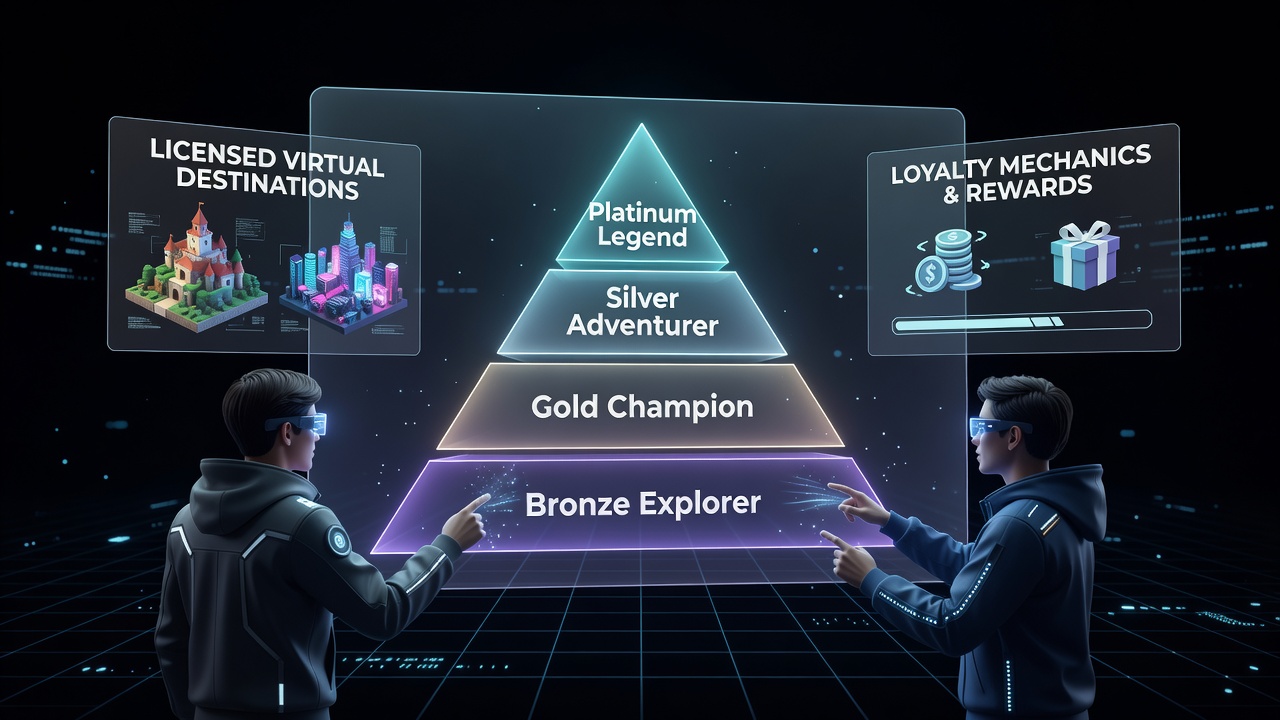
Operators in licensed virtual gaming destinations structure tiered loyalty programs around progressive levels that reward consistent player activity with escalating benefits, and these systems operate under strict oversight from regulatory bodies across multiple jurisdictions. Players advance through tiers by accumulating points based on wagering volume, deposit frequency, and game participation, while each level unlocks distinct advantages such as enhanced cashback rates, exclusive event access, and personalized support channels.
Core Components of Tiered Structures
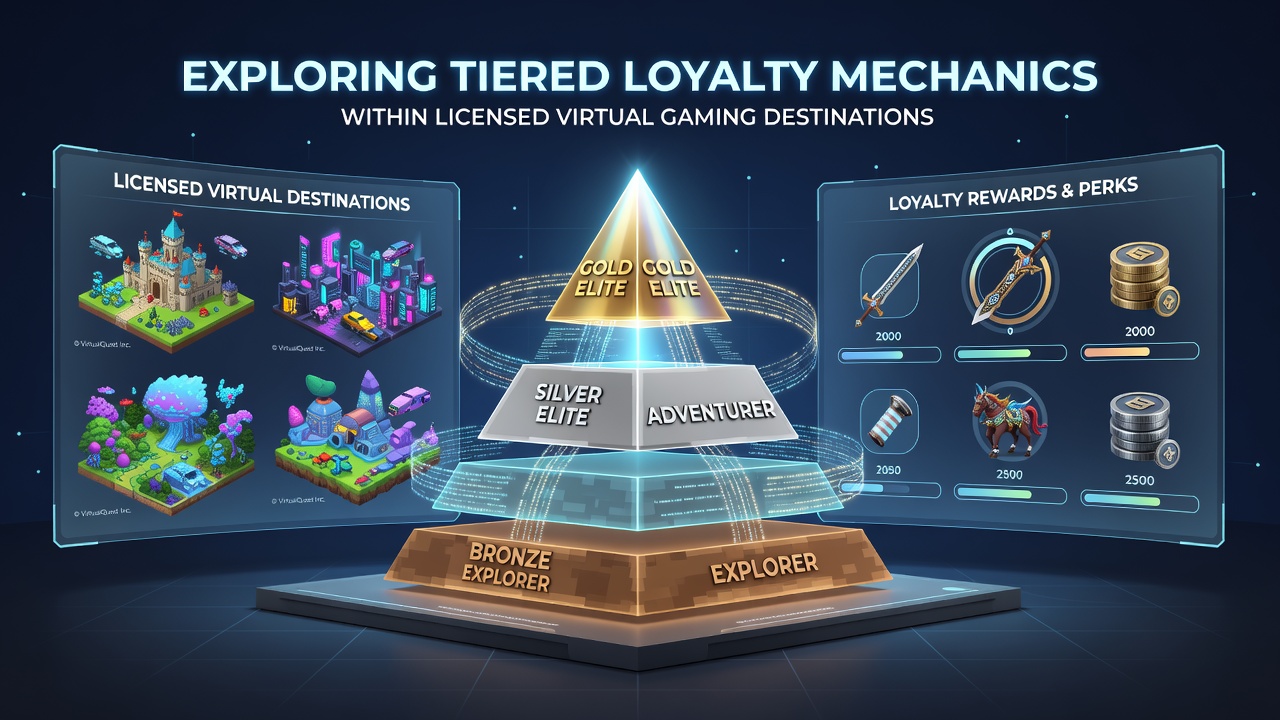
Licensed platforms typically define four to six distinct tiers beginning with entry-level status and progressing to elite categories, whereas advancement criteria incorporate both quantitative metrics like total wagers and qualitative factors such as account tenure. Research from industry reports indicates that point multipliers increase at higher tiers, allowing participants to earn rewards at accelerated rates once they reach intermediate thresholds, and this design encourages sustained engagement across extended periods.
Points calculation methods vary by operator yet commonly assign values based on game type, with slots contributing differently than table games or live dealer options, while bonus funds often generate reduced point yields compared to real-money play. Data compiled by European regulatory agencies shows that transparent disclosure of these mechanics appears in player agreements and platform dashboards, ensuring compliance with consumer protection standards enforced in markets like Malta and the Isle of Man.
Mechanics of Point Earning and Redemption
Accumulation occurs through real-time tracking systems that log every qualifying transaction, and players receive periodic statements detailing progress toward the next tier threshold. Redemption options span monetary credits, merchandise selections, and experiential rewards such as tournament entries, whereas higher-tier members gain priority access to limited promotions and faster processing times for withdrawal requests.
Seasonal campaigns and targeted challenges supplement base earning rates during specific windows, allowing participants to accelerate advancement without altering standard tier requirements. Figures from academic studies on player behavior reveal that structured loyalty frameworks correlate with measurable retention improvements in regulated environments, particularly when combined with clear communication of benefit schedules.
Regulatory Oversight and Compliance Standards
Licensed destinations must adhere to guidelines established by bodies such as the Malta Gaming Authority, which mandates fair treatment across all loyalty tiers and prohibits misleading representations of reward values. Similar requirements appear in frameworks administered by Canadian provincial regulators and Australian state commissions, where operators submit regular audits demonstrating equitable point distribution and transparent redemption processes.
August 2026 marks the scheduled implementation date for updated reporting protocols across several EU-aligned jurisdictions, requiring platforms to publish aggregated tier progression statistics that allow external review of program fairness. These measures build upon existing data protection rules and emphasize verifiable player consent for personalized reward tailoring, while enforcement actions have addressed instances where undisclosed tier restrictions disadvantaged certain user segments.
Comparative Analysis Across Jurisdictions
Platforms operating under Nevada Gaming Control Board licenses integrate tiered systems with land-based property partnerships that extend virtual rewards into physical casino experiences, whereas purely online operators in the same region focus on digital exclusives such as custom game features. Observers note that geographic differences influence benefit design, with Asian-regulated markets often emphasizing tournament-based progression and European sites prioritizing cashback and deposit bonuses.
Industry associations including the European Gaming and Betting Association compile comparative data on loyalty program performance, and their publications highlight variations in tier duration requirements that range from monthly resets to rolling annual calculations. Such documentation supports operators in refining structures while maintaining compliance across borders.
Future Developments in Loyalty Tracking
Technological integrations such as blockchain-based point ledgers have begun appearing in select licensed environments, providing immutable records of tier status and redemption history that reduce dispute resolution times. Research institutions continue to examine correlations between tiered incentives and responsible gaming indicators, producing reports that inform policy refinements without prescribing specific program elements.
Cross-platform loyalty networks remain under exploration in markets where multiple operators collaborate under shared regulatory umbrellas, potentially allowing point portability between distinct virtual destinations while preserving individual licensing obligations. These initiatives require careful coordination to ensure data accuracy and prevent unintended advantages that could conflict with anti-money laundering provisions.
Conclusion
Tiered loyalty mechanics within licensed virtual gaming destinations function through clearly defined progression systems, regulated point mechanisms, and jurisdiction-specific compliance frameworks that collectively shape player interactions. Ongoing developments in reporting standards and technological tools continue to influence how these programs operate, with data from multiple regulatory sources guiding adjustments that maintain transparency and fairness across participant groups.